A companion to Wired to Feel More
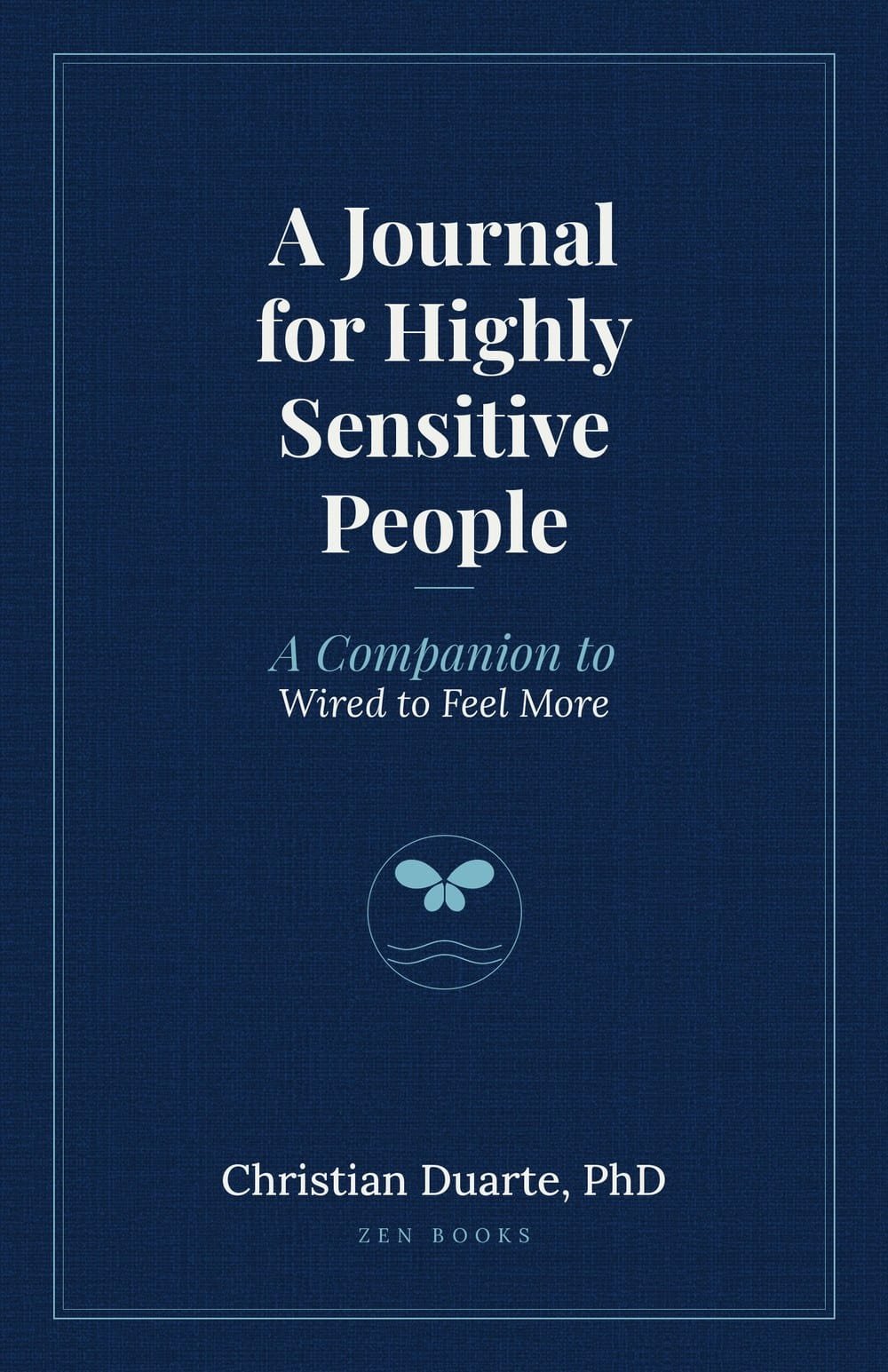
A JOURNAL FOR HIGHLY SENSITIVE PEOPLEWhat you read, put into practice
Writing makes what you read stick. This journal helps you take the book inward and into your life, week by week, with questions, stories and plenty of room to write by hand.
Coming soon to AmazonLook inside
376 PAGES · MADE FOR WRITING BY HAND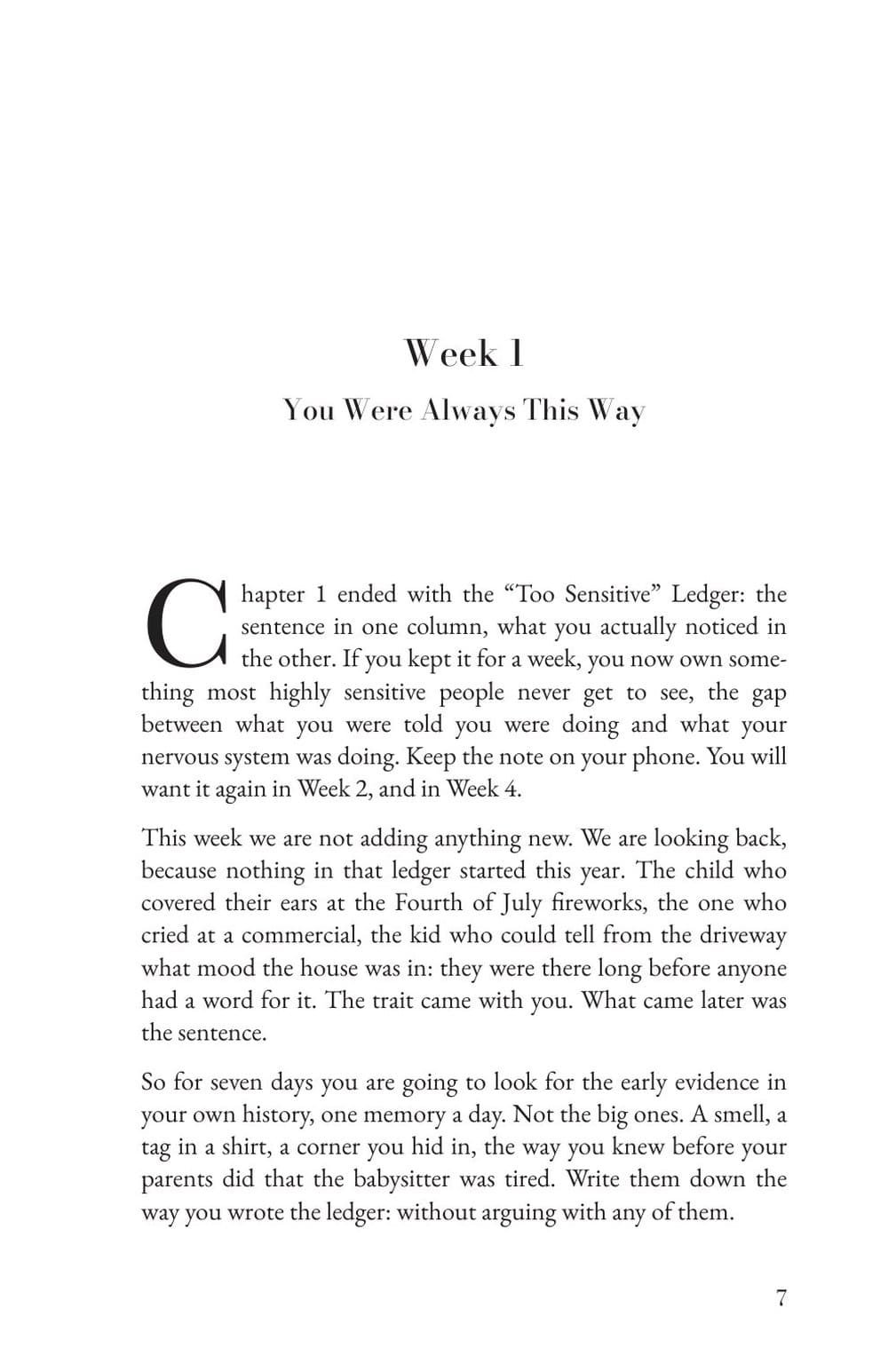
Flip through it
The book explains the why. The journal is for the how.
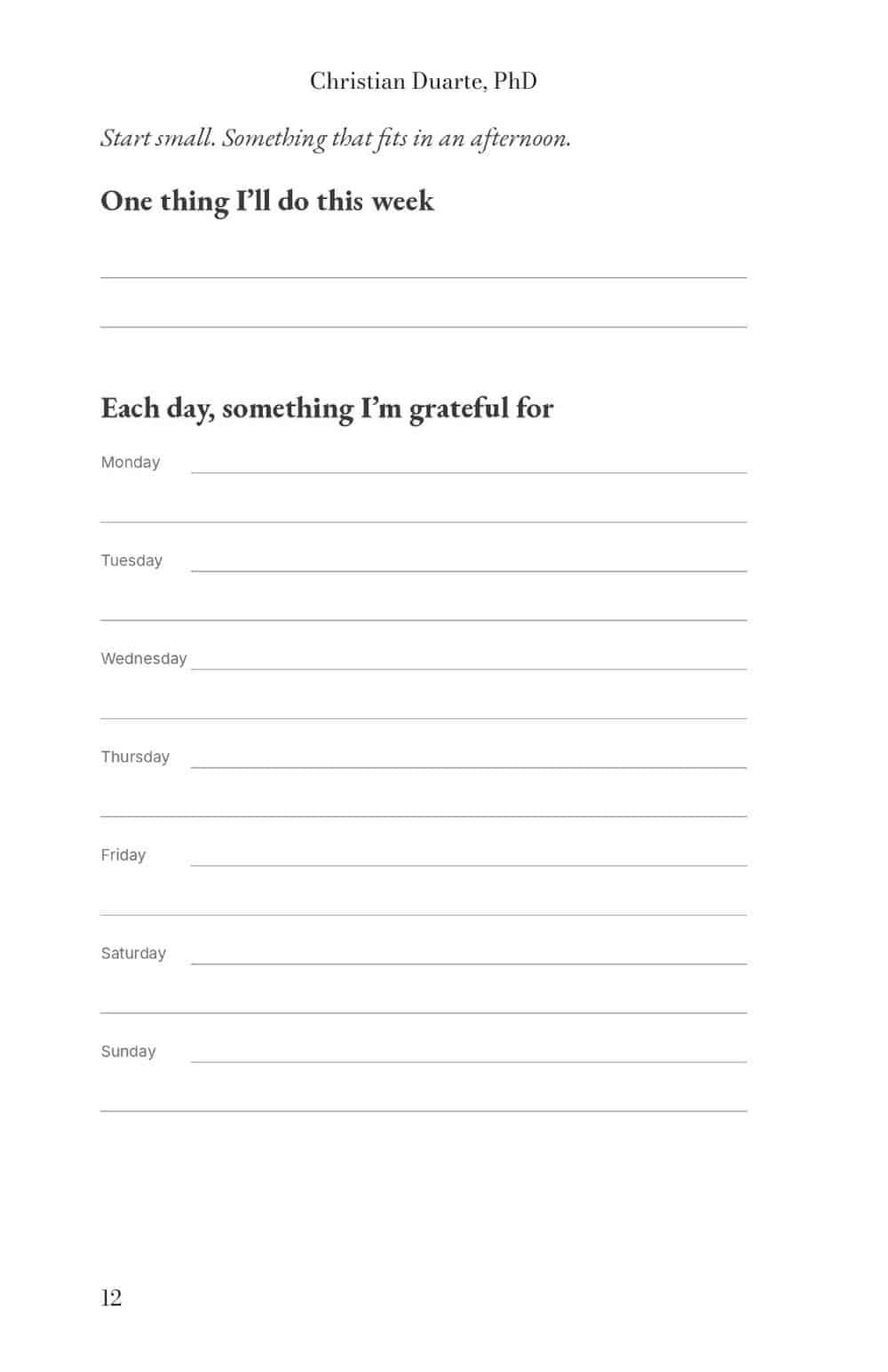
This is what the pages look like: real text, lots of air and room for your own words.
What’s inside
A year to get to know yourself, gently
One idea, one question
Each week picks up where a chapter of the book leaves off and gives you something concrete to try.
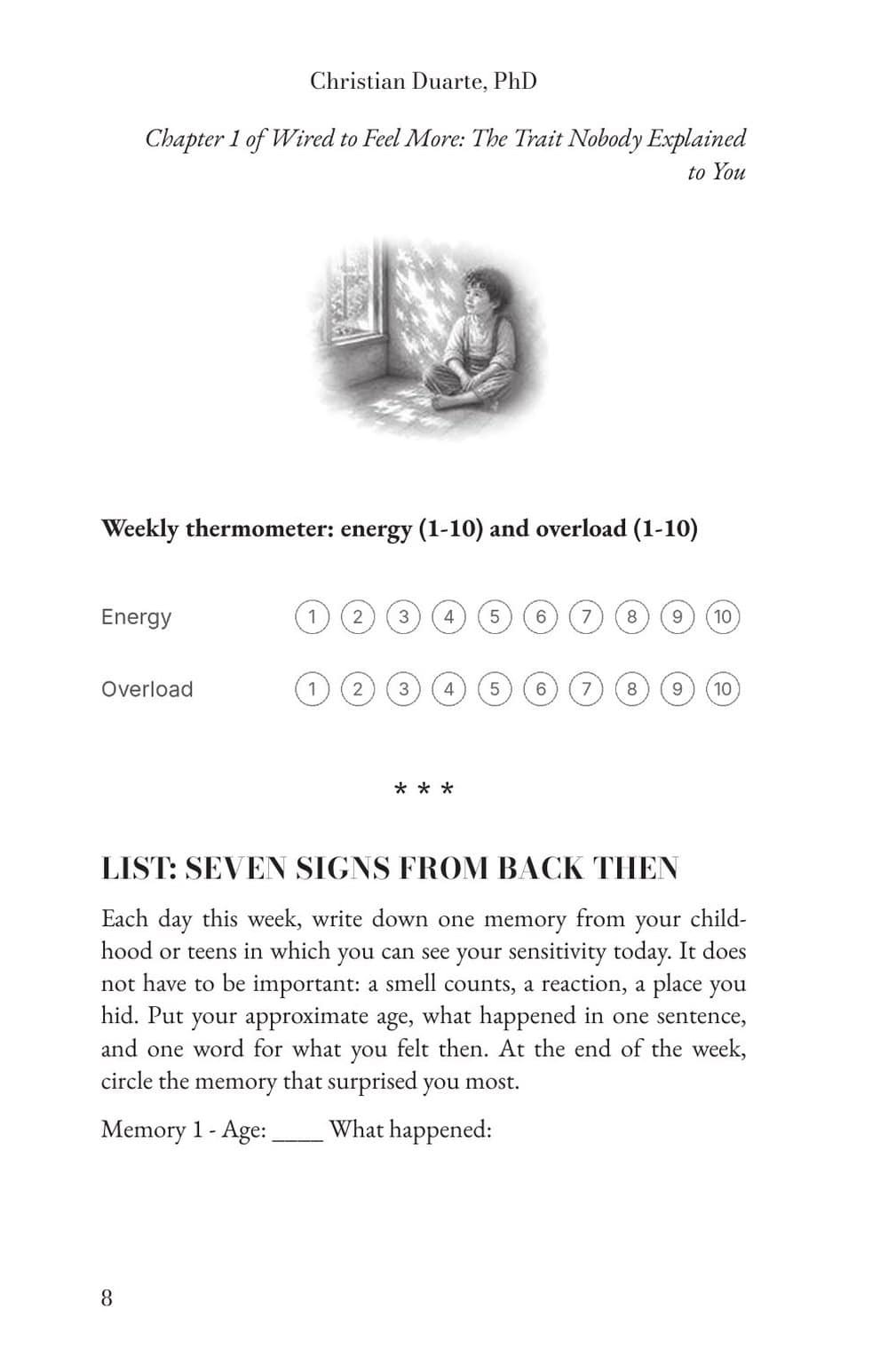
Energy and overload
You note how you arrive at each week and, over time, you see your own pattern.
Something I’m grateful for
Two lines a day, Monday to Sunday, and one thing you’ll do this week.
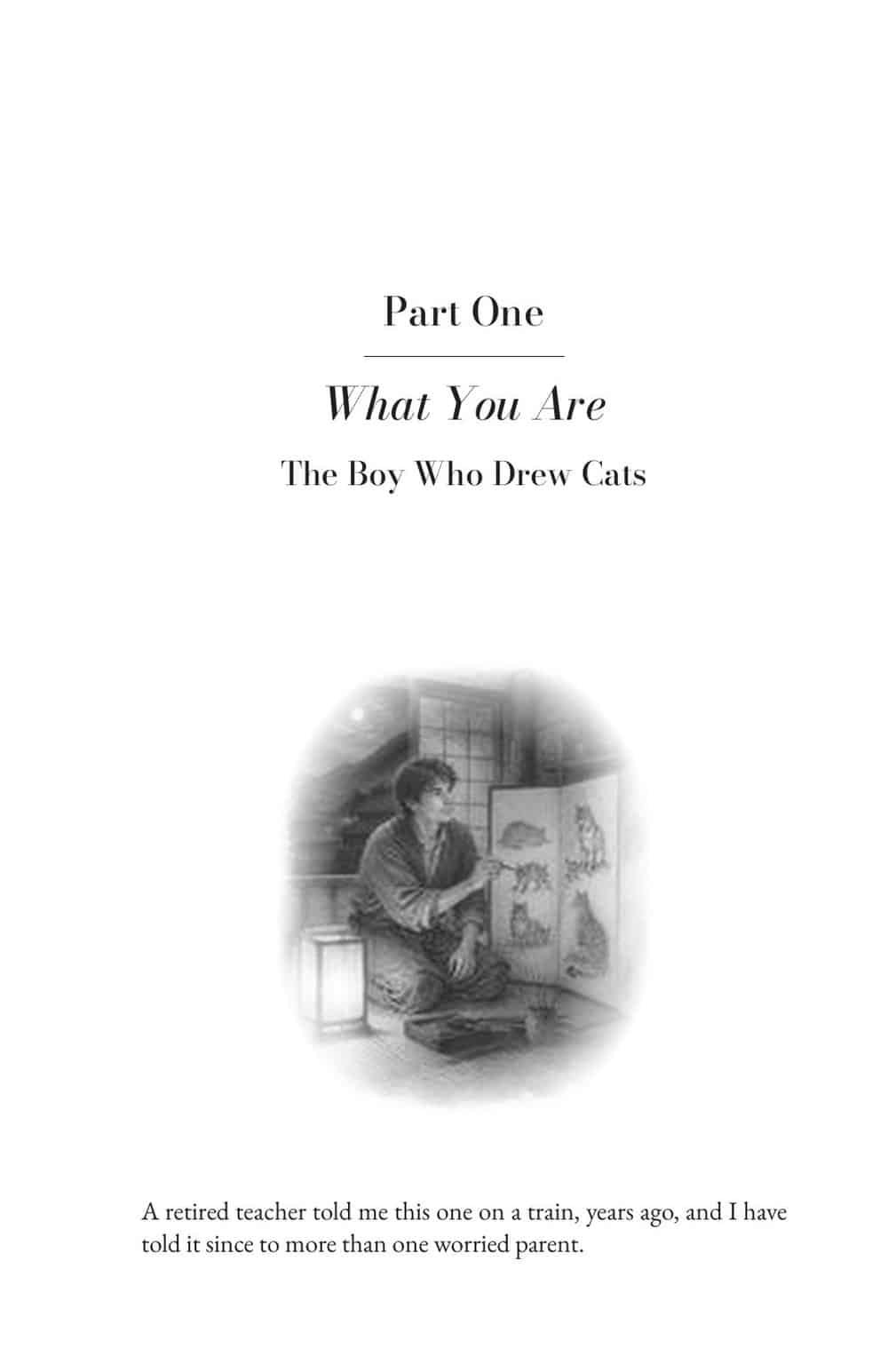
Five stories
Each part opens with a story illustrated in ink, to think about without hurry.
The perfect companion to the book
Read and write at the same time
Weeks 1 to 26 run alongside the chapters of Wired to Feel More: you read the chapter and the journal helps you bring it into your life. Weeks 27 to 52 are for carrying on by yourself, once the book is read.
You understand
What the trait is, where it comes from and how to stop living on overload.
You practice
What you read, applied to your week and written in your own words.
Why writing works
What gets written gets sorted
Since the 1980s, the psychologist James Pennebaker has studied what happens when people write about what they feel. In his studies, those who wrote for a few days in a row about hard experiences went to the doctor less in the months that followed and felt better over time. Jordan Peterson built his guided writing programs on this line of research.
Writing helps, but it is not a substitute for therapy. If something stirs you up too much, stop and reach out to a professional. In the US you can call or text 988 at any time.
How it works
One week at a time, at your own pace
Read the chapter of the book and open that week of the journal.
Answer the questions and mark your thermometer. There are no right answers.
Every day, two lines of gratitude. In weeks 13, 26, 39 and 52, a review to see how far you’ve come.
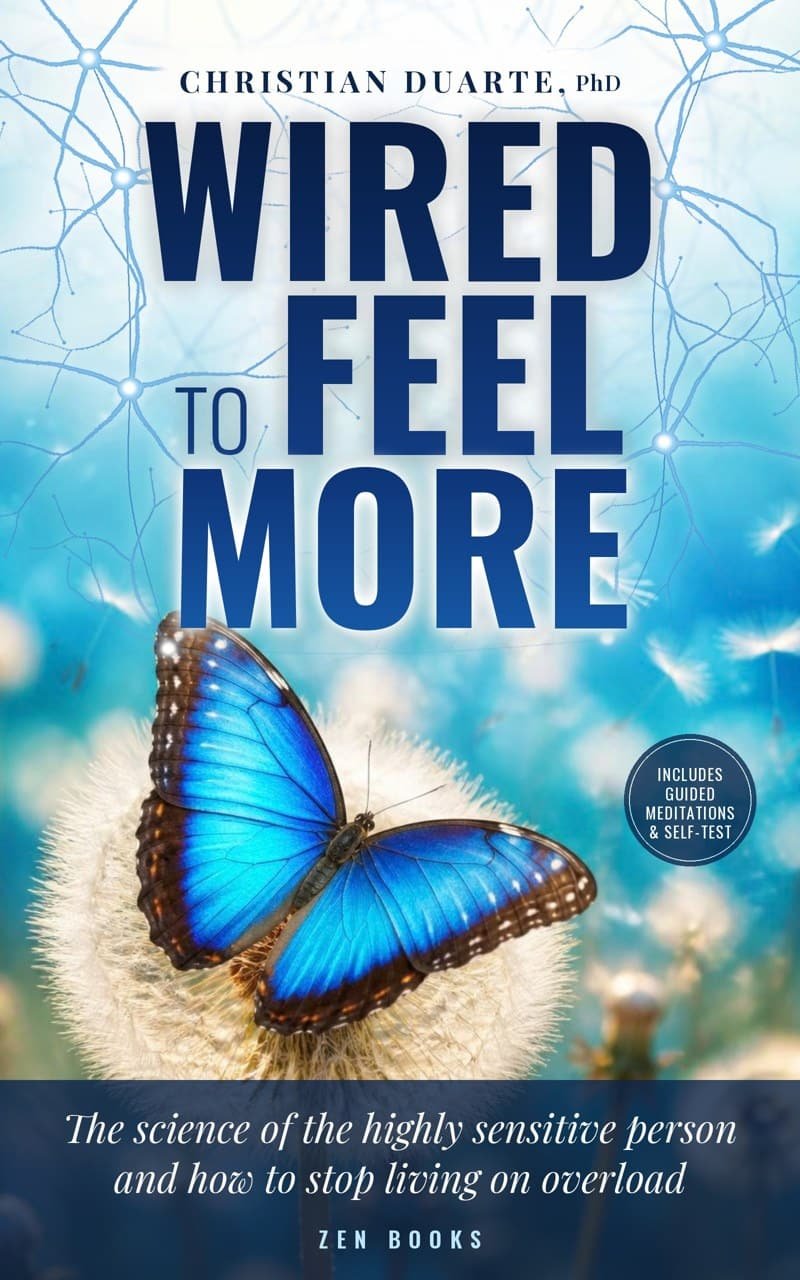
Better together
The book and its journal
Wired to Feel More and its journal are both coming soon to Amazon. Read them side by side: the book explains, the journal helps you live it.
Coming soon to AmazonGet the free workbook
The journal includes a self-check scale in weeks 2, 26 and 52 so you can see how you change. It is a guide, not a diagnosis. If what you feel overwhelms you, talk to a health professional.